Address
Global project coordination desk
Warehouse automation RFQ intake
Reference domain: dematicus.com
Minimal, efficient intake: share load units, peak windows and interface owners so Dematic can respond with a structured evaluation path. This page is the full contact surface for warehouse automation RFQs—address, hours, regional coordination and the two-column form—while the site modal remains a compact product inquiry dialog without map or information columns.
Before you write, gather the SKU or order extract you already trust, the current WMS/WCS/PLC owners, and any brownfield cutover windows that protect live outbound waves. Dematic replies faster when those boundaries are visible than when the message only asks for a generic automation catalog.
Global project coordination desk
Warehouse automation RFQ intake
Reference domain: dematicus.com
Phone: +1 (616) 555-0198
Email: [email protected]
For engineering RFQ packages only
Monday–Friday
08:00–17:30 local project time
Urgent cutover support by agreement
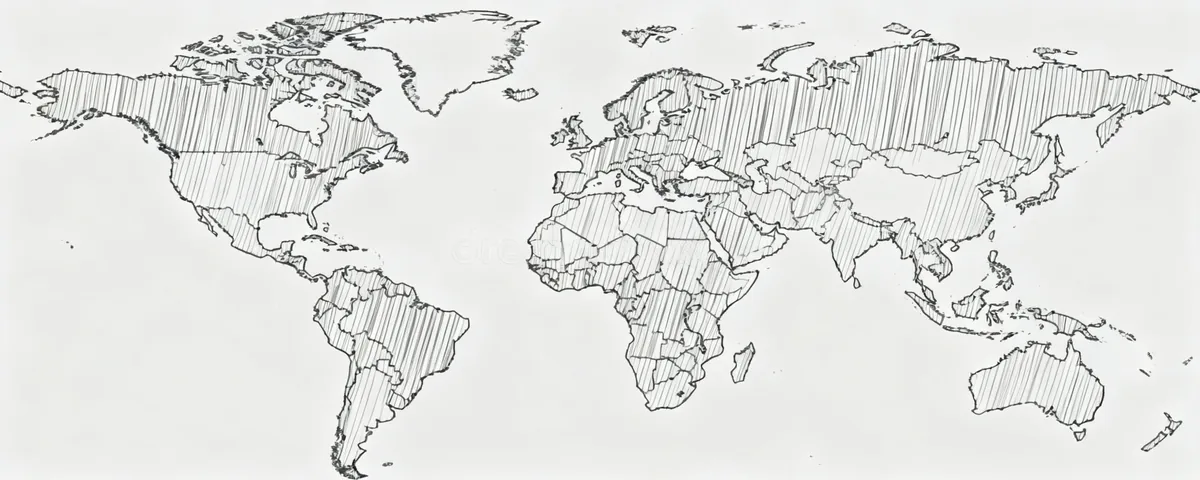
Regional markers show coordination coverage for project intake. Exact on-site service response, remote diagnostic rights and spare staging are confirmed in the project scope rather than implied by the map graphic.
Use this page form for project context. The compact modal elsewhere on the site is only for quick product inquiries and intentionally omits the map and contact columns. Fields follow the same backend contract so Dematic can route either channel into one engineering queue.
If you are comparing AS/RS density, sorter divert confirmation or AGV traffic rules, say which stage is on the critical path. Mention temperature zones, dock counts and whether design rate must hold for a full peak window or only a short demonstration interval. That detail prevents Dematic from answering a controls question with a mechanical brochure summary.